

What One Client’s Story Taught Me About Clarity
I've noticed a pattern with my clients.
They get really good at something, personal training, design, finance, whatever their craft is, and they build a business around it. Not because they sat down one day and decided to become a business owner. More because they were so good at the thing that the business happened.
I call these people accidental business owners. And I work with them every day.
They're not stuck. They're skilled, driven, and usually doing well by most measures. At some point, they look up and realise that being great at the thing and running a great business are actually two different skill sets. They've got big dreams, real ones, but the path to making them happen isn't quite clear yet.
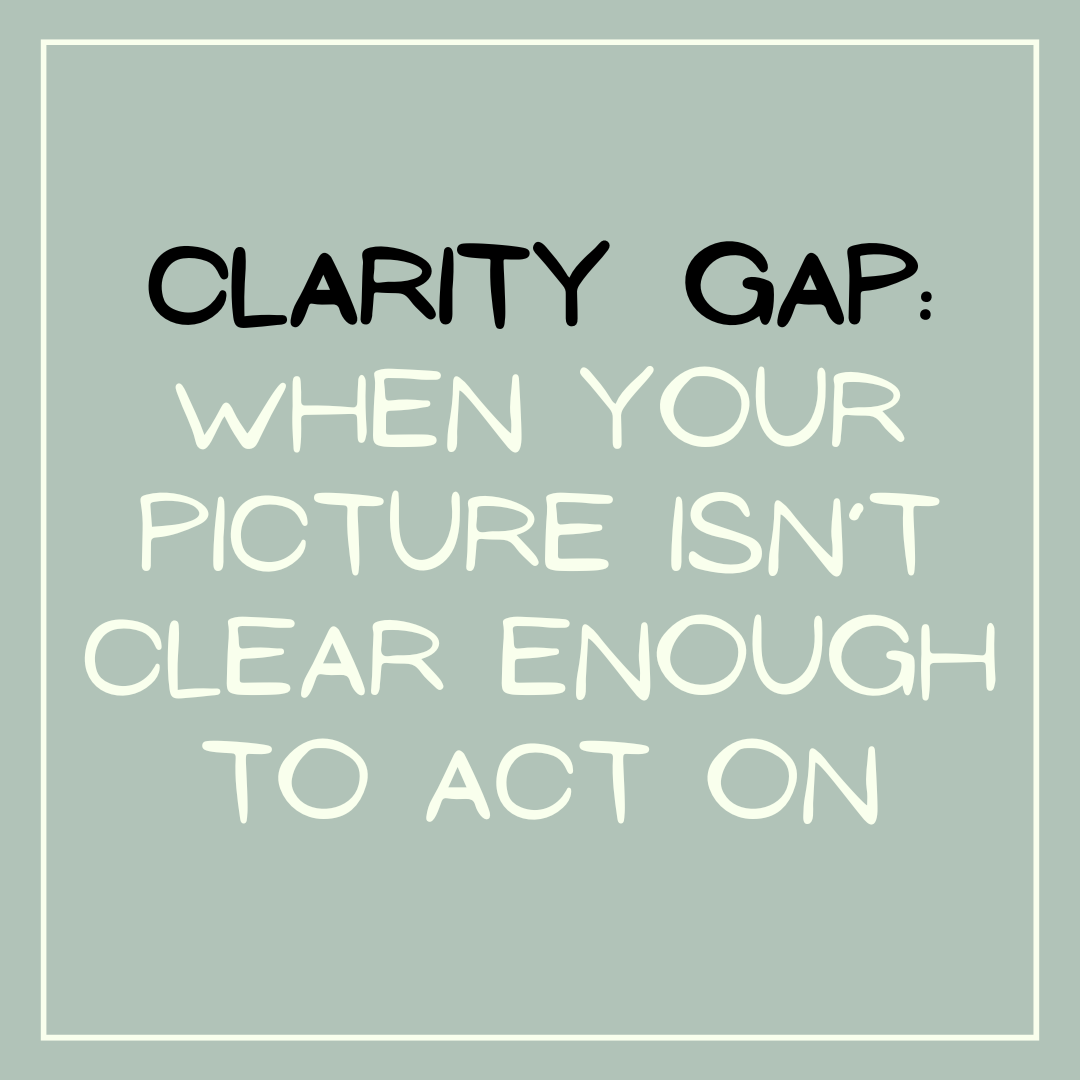
That's what I call a clarity gap. And it's more common than you'd think.
Let me show you what it looks like in practice.
The Client Who Didn't See Herself as a Business Owner
I was working with Janine, a personal trainer, established in business, fully booked, great reputation. From the outside, she was doing well.
She came to me because she had an idea for growth, but wasn't sure it was the right move. Every time she tried to think it through, she hit the same wall: more clients meant more hours, more hours meant burnout, and she was already working as hard as she could.
She thought she had a growth problem - did she want more work?
She didn't. She had a clarity gap.
Step One: Look at the Numbers Without the Noise

The first thing we did wasn't set goals or map out a vision. We looked at where the money was actually coming from.
What came back was clear: her 1:1 sessions, the work she'd built her career on, were generating very little relative to the time they required. Her group classes were a completely different story.
The path to growth wasn't doing more. It was doing more of the right thing.
This is what I see constantly with business owners who've been heads-down building. They're working genuinely hard, but they've never stopped to look at the numbers without the noise of daily operations clouding the picture.
The numbers are almost always telling a story. You have to create the space to hear it.
Step Two: Get Back to the Why

Numbers give you direction. But they don't give you fuel.
So the next question was simpler: what did she actually want? Beyond the financial. Why was she in this business in the first place?
Janine's answer was immediate: she wanted to create a community where women could get strong.
That wasn't vague. That was a mission, and it lined up perfectly with what the numbers were already showing.
This is what genuine clarity feels like. Not a lightning bolt moment. More like two things quietly clicking into place. When your numbers and your vision point in the same direction, you can stop guessing. You have something to move toward.
Step Three: Set the Direction, Then Let the Plan Flex
Here's where most business planning falls over.
We try to plan everything: every step, every detail, every contingency. And then reality turns up, and the plan doesn't survive contact with it.
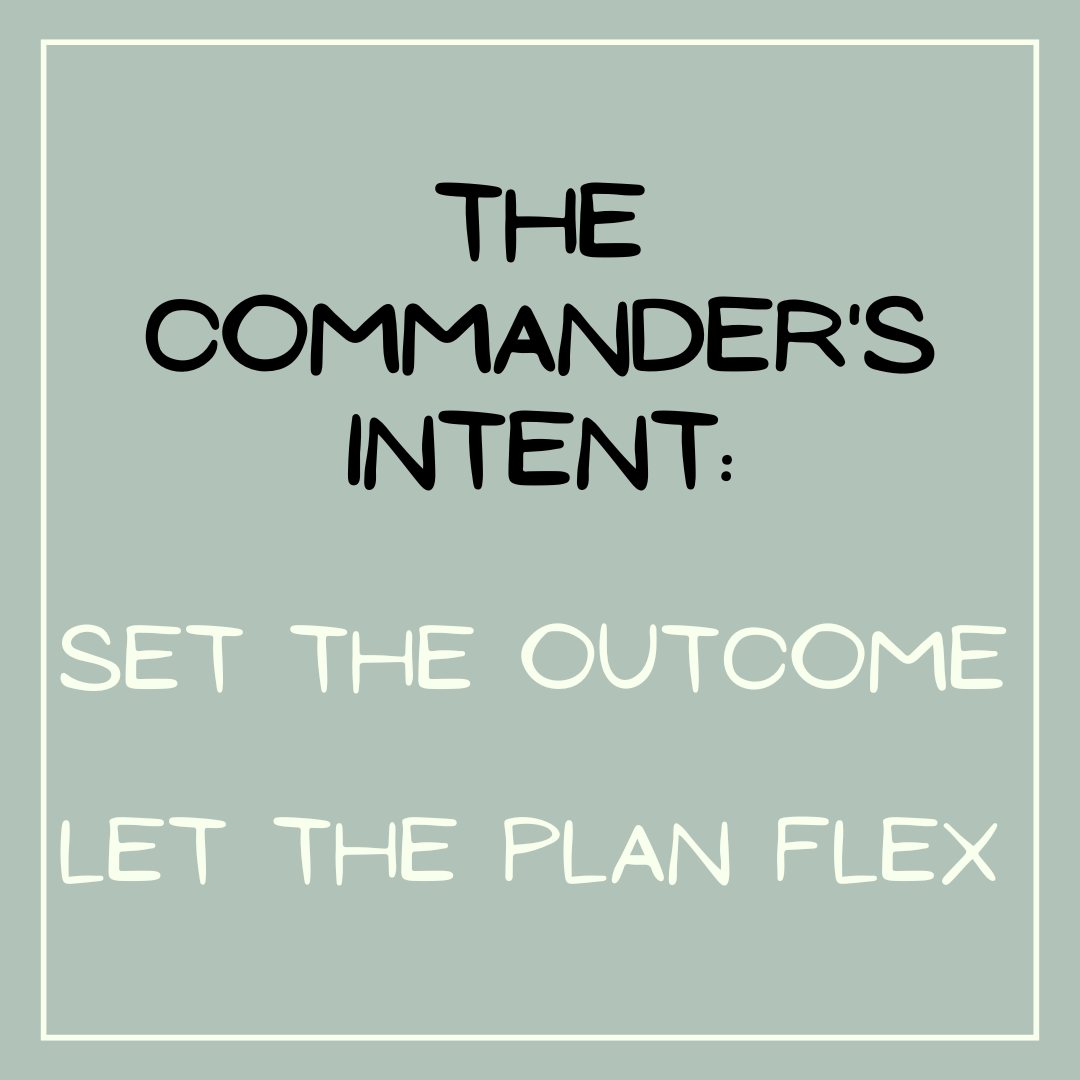
I use a concept called a Commander's Intent with my clients, the idea that instead of planning every detail of how, you get crystal clear on what you're trying to achieve. You set the outcome. You let the path flex.
For Janine, the intent was simple: secure a dedicated space, run as many classes as she wanted, and build the community.
The ideal location didn't exist. It wasn't available.
A rigid plan would have stalled right there.
But because the direction was clear, she could adapt. She didn't wait for perfect. She moved toward the outcome and figured out the details as they came.
The Current Situation
The Resistance is open, with a team of six instructors and over 30 classes a week. And Janine only needs to teach a handful herself.
The community she described in that early conversation - women getting strong together - exists. She built it.
She is not burned out. She is not doing more than before. She is doing things differently, and the business is bigger, more sustainable, and far more aligned with what she actually wanted.
Her words, not mine: "I PT'ed so hard I got a gym."
The Lesson
A clarity gap doesn't announce itself. It just quietly costs you, in energy, in time, in the decisions you keep putting off because the picture isn't quite clear enough to act on.
Closing it doesn't require a major overhaul. It usually requires three things:
Space to look at your numbers honestly
A conversation about what you actually want
A clear direction that's strong enough to hold, and flexible enough to bend
That's the work. And it changes everything.
Recognise yourself in any of this?
A Clarity Call is a focused, no-fluff conversation about where you are and what's getting in the way.