Productivity Should Feel Good
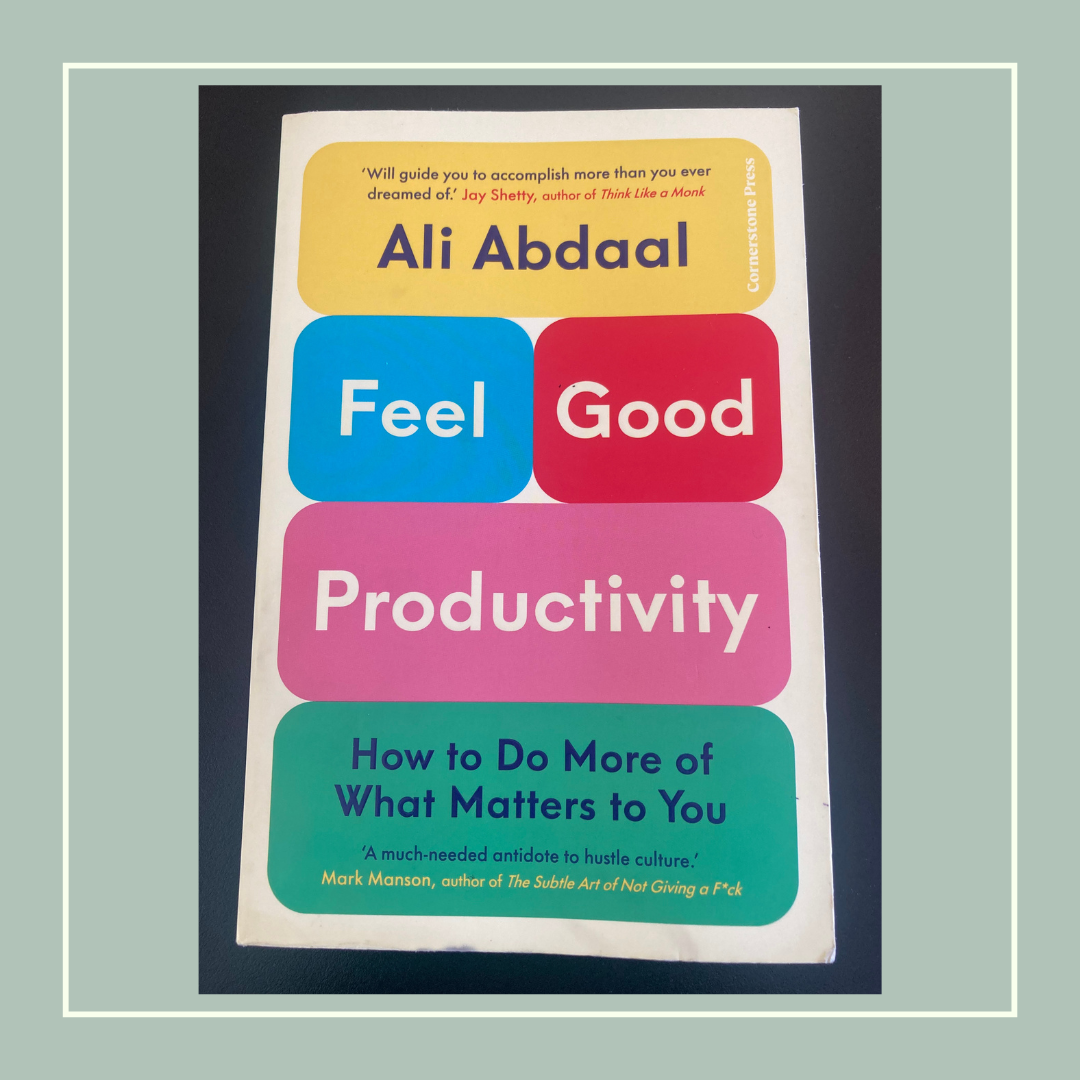
As someone who works in productivity every day, I’m always curious about what other thinkers are exploring. That curiosity led me to Ali Abdaal and his book Feel-Good Productivity: How to Do More of What Matters to You.
I vibed with it immediately.
I’ve long believed productivity should feel energising and flexible enough to fit your life. Not a joyless tick-box exercise. Not a rigid routine that collapses the minute life gets messy. Not a system you resent.
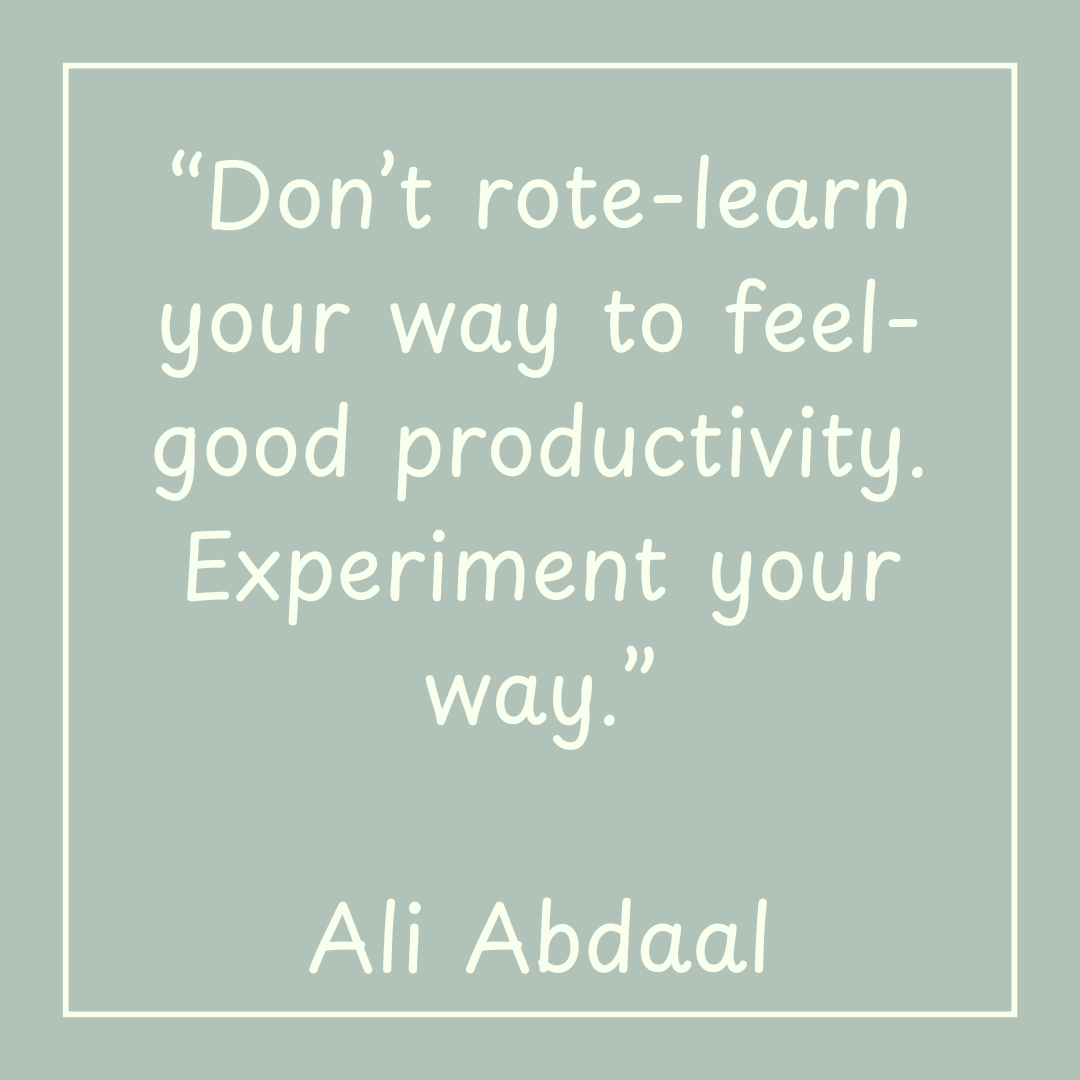
One of the strongest messages in the book comes right at the end: don’t rote-learn productivity. Approach it like an experiment. Try things. Keep what works. Discard what doesn’t. Adapt.
That appeals deeply to the scientist in me.
Powerful Reminders
Some ideas were familiar, but worth revisiting.
The Protégé Effect
I first experienced this at university when I worked as a lab tech for first-year biochemistry students. Explaining complex concepts to others forced me to truly understand them. Teaching didn’t just demonstrate competence. It strengthened it.
The act of helping someone else learn accelerated my own growth.
Confidence Is Malleable
Compared to first-year students, I felt knowledgeable. Compared to my professors, not so much. Context shapes confidence.
Ali reinforces something I’ve seen repeatedly in coaching: the things you say often become the things you believe.
For years, I said, “I can’t cook.”
It wasn’t helpful. It wasn’t even accurate. I could feed myself and my family.
So I changed the narrative. I focused on a handful of meals I could make well and slowly expanded from there. A few years ago, I cooked paella for a group of friends on a girls’ weekend away. Total success. I no longer say, “I can’t cook.”
Language shapes identity. Identity shapes action.
The Power of Play
When I focused on meals I genuinely enjoyed cooking and invited friends to share them, cooking stopped feeling like a chore and started feeling creative again.
Fun isn’t frivolous. It’s fuel.
New Ideas That Landed
There were also a few concepts that felt fresh.
The Commander’s Intent
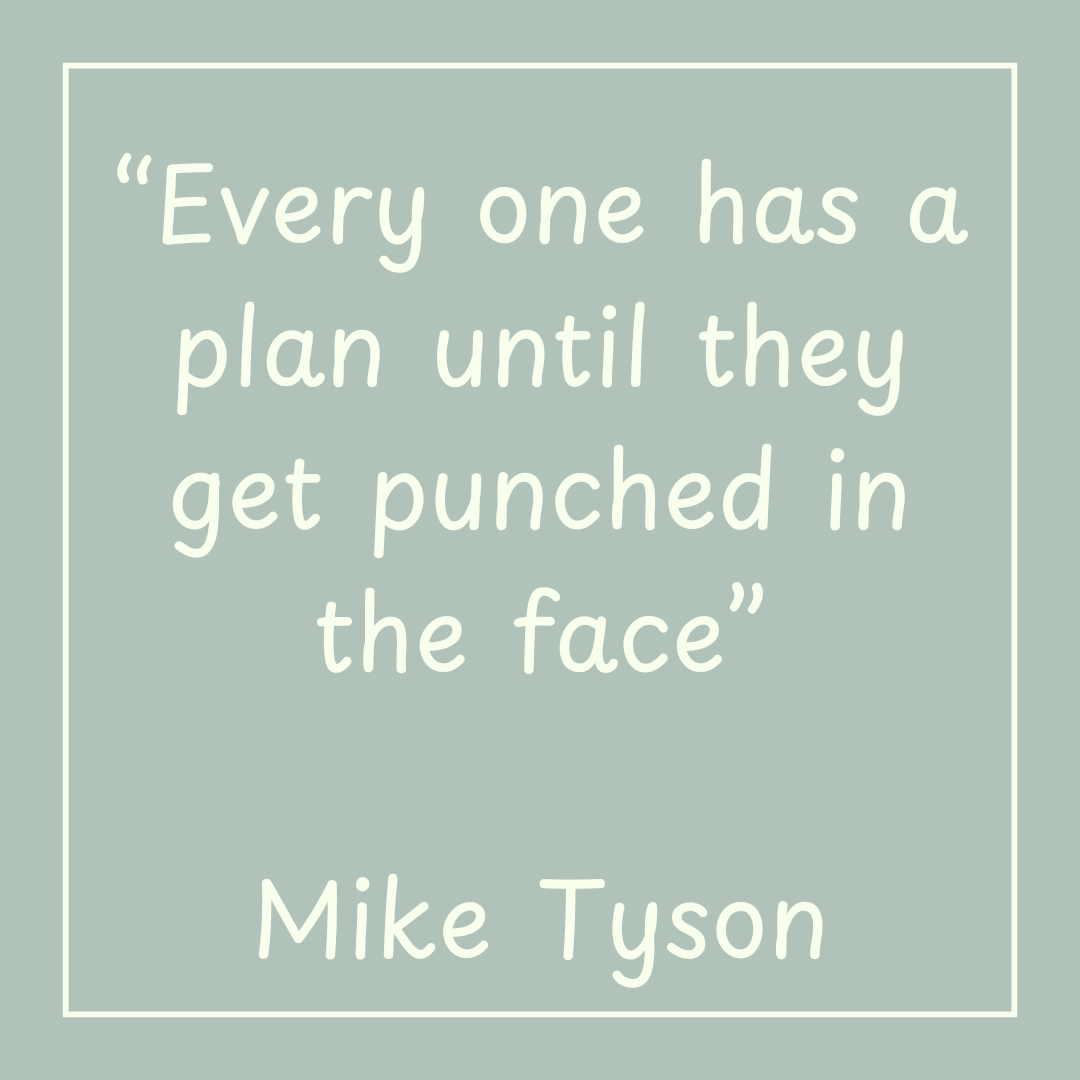
There’s a military phrase often echoed in business thinking: detailed plans rarely survive first contact with reality. It mirrors the quote attributed to Mike Tyson: “Everyone has a plan until they get punched in the face.”
The idea behind “Commander’s Intent” is simple.
Instead of obsessing over the detailed how, get crystal clear on:
The purpose behind the operation
The end state you’re aiming for
The key tasks required to achieve the objective
When the why is clear, the path can flex.
It reminded me of OKRs. Clear objective. Measurable outcomes. Direction without micromanagement.
Structure with adaptability.
Upgrade the Soundtrack
One of Ali’s more surprising suggestions was upgrading your work soundtrack. Specifically, the score from How to Train Your Dragon, composed by John Powell.
It turns out epic orchestral music can make answering emails feel mildly heroic.
Small environmental tweaks matter more than we think.
Simply Begin Again
This one hit home.
I’ve occasionally fallen into the “fail with abandonment” camp. Miss a social media post? Disappear for the month. Miss a workout? Start again next week.
All-or-nothing energy is seductive.
Ali’s advice is gentler and far more effective: simply begin again.
Return to what matters. Forgive yourself. Continue.
Momentum is rarely about perfection. It’s about resuming.
The Nuance That Matters
Here’s what I appreciated most about this book: it’s not about abandoning systems. It’s about designing systems that feel good enough to sustain.
Without structure, feel-good productivity dissolves into good intentions.
Without enjoyment, structure becomes suffocating.
The sweet spot is rhythm.
When you create protected time to think, decide, and focus, productivity stops feeling reactive. It starts feeling purposeful. Energising. Sustainable.
Productivity should feel good.